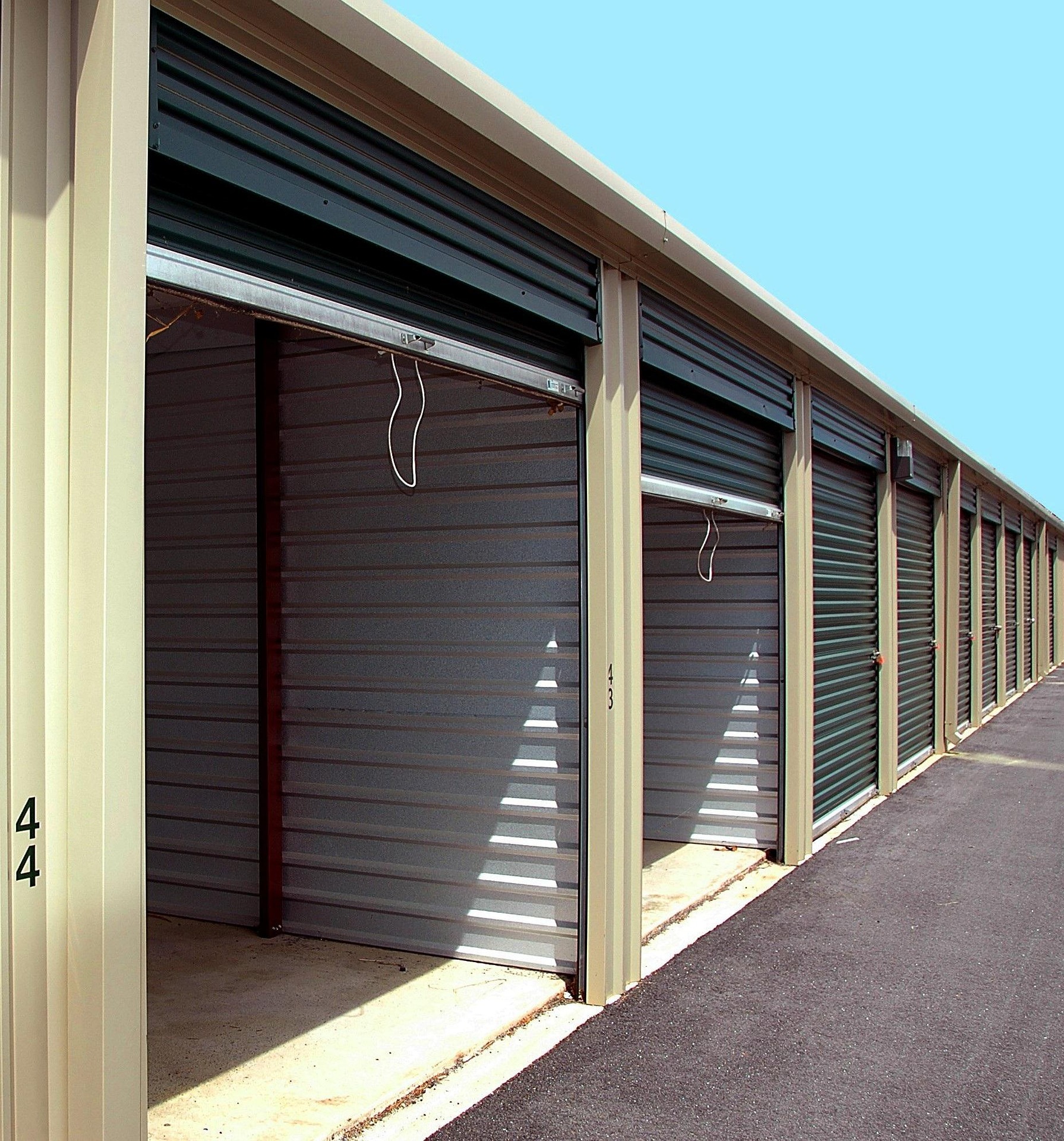

A self-storage facility runs on the steady pulse of rent checks—money that keeps lights on, wages paid and taxes settled. But when a renter vanishes into delinquency, letting bills stack up until they topple, that lifeblood of income dries up— and the company’s profit bleeds away. To claw back those losses, many storage operators stage one thing: an Auction of every item inside an unpaid unit.
How It Works
• Venue: Auctions erupt either amid the cavernous rows of storage doors or on slick online platforms.
• Registration: You must sign up in advance, show ID and arm yourself with cash—no plastic at the door.
• Blind Bidding: The unit door cracks open just enough for your eyes to dart in. You can’t touch, rummage or peek into boxes. You bid on a hunch, on shapes and shadows, wagering on the unknown.
• Win & Clear Out: Triumph means you have 24–48 hours (sometimes 72 online) to rip every item from that unit. Fail, and it slips away. With the space bare once more, the company slams in a fresh lock and re-rents in record time.
Why Companies Resort to Auctions
• Instant recovery of lost rent and Auction costs
• Avoidance of expensive clean-out fees
• Quick turnaround to lease the unit anew
Pros and Cons for Bidders
Pros
• Snatch possessions at rock-bottom prices
• Flip hidden treasures for profit
• Rescue useable goods from a landfill fate
Cons
• You may score little more than trash
• Original owners lose heirlooms and memories forever
• Reselling demands blood, sweat and late nights
When Death or Abandonment Triggers an Auction
If a renter dies, family or estate executors should alert the facility. Policies and state law may grant them access to retrieve belongings before an Auction looms. But if no one speaks up, nonpayment rules prevail— and the unit goes to Auction like any other delinquent locker.
What Happens to Auction Proceeds
• The facility pockets enough to cover unpaid rent and Auction fees.
• If cash remains, law demands it be mailed to the renter’s last known address—though often there’s nothing left over.
Why Renters Abandon Units
• Sudden job loss or financial crisis
• Death with no one to claim the contents
• Sheer inability to pay
The Auction Countdown
1. Default Threshold: Rental agreement and state law set a grace period—often 30 days past due—before you’re in default.
2. Written Notice: Laws require a formal warning, delivered in writing, detailing missed payments and pending action.
3. Lock Change: If the renter still won’t pay, the company slashes the old lock, installs its own, and bars further access.
4. Auction Notice: A final written alert announces date, time and terms of the impending sale.
On-Site vs. Online Auctions
On-Site Auctions
• Door opens just enough for a quick visual sweep—bring a flashlight.
• No entry; bid within seconds or minutes of the last offer.
• Auctions end that same day; you walk away with the unit or nothing.
Online Auctions
• One or two exterior photos hint at what lurks inside.
• You can juggle bids on multiple units over days.
• Additional online fees may apply as a percentage of your winning bid.
After You Win
• You’ve got 24–48 hours (up to 72 online) to clear the unit.
• Personal documents—IDs, photos, legal paperwork—must be surrendered to management so they can reunite them with the rightful owner.
• Vehicle titles can’t transfer, so any cars or motorcycles must be sold for parts only.
• Discover firearms or contraband? Call the police and file a report. Do not remove them yourself.
• Resale outlets include pawn shops, consignment stores and online marketplaces—but track every dollar spent and earned. If you net over $400, Uncle Sam wants his cut.
How to Dodge the Auction Bullet
• If money’s tight, call your storage facility immediately—many will grant extensions or set up payment plans.
• If you can’t catch up, consider emptying the unit yourself before default triggers an auction.
• Remember: Unpaid balances may be reported to credit bureaus and batter your score.
Finding and Registering for Auctions
• Scan local newspapers, community bulletin boards and social media for Auction notices.
• Follow storage centers’ online pages and sign up for alerts.
• Sites like StorageTreasures.com and StorageAuctions.com map out upcoming events by ZIP code.
• Always check registration deadlines and payment rules before you go.
A Surge in Storage Auctions
Nearly 80,000 self-storage auctions ignite across the country each year—and that number climbs during economic downturns. More auctions can mean more bargains for buyers, but they also signal widespread financial strain among renters.
Survival Tips for First-Timers
• Set a hard budget and stick to it—factor in sales tax and potential online fees.
• Learn the rules of behavior: no shouting out discoveries, no peeking inside boxes.
• Confirm registration requirements and acceptable payment forms.
• Haul equipment: pickup truck or SUV with trailer, moving boxes, gloves and trash bags.
• Arrive early—at least 30 minutes before start to sign in and scope the scene.
• Be patient; resist the frenzy if bidding spikes. There’s always another unit.
Storage auctions are high-stakes gambles—where fortunes can be made or lost on a single moment of daring. Go in armed with knowledge, nerves of steel and a clear exit strategy.
AUCTION WALK: Self-Storage Auctions Unleashed

Author Profile
Editor in Chief
Martin Snytsheuvel began his photojournalism career in Las Vegas in 1977. Since then, he’s covered Hollywood celebrities, entertainment, and fine dining for various online publications. Now working as editor-in-chief of “AUCTION WALK NEWS,” he reports on auctions from Christie’s showrooms to rural estate sales, many featured on his YouTube channel “AUCTION WALK.”